Everything About Court Reporting: Important Insights for Legal Professionals
Court reporting works as an important component of the legal system, making sure that process are accurately recorded. As modern technology advances, the duties and tools of court reporters are progressing. This improvement asks for attorneys to adapt to new practices and technologies. Comprehending the details of court coverage can considerably impact instance results. What important understandings should lawyers understand to browse this altering landscape successfully?
The Function of Court Reporters in Legal Procedures
Stenotype reporter function as the critical voice of the court, recording every spoken word throughout legal procedures with precision and precision. They transcribe statements, legal debates, and courts' judgments, making certain that a total document is preserved. This documentation is important for allures, giving a clear account of what taken place throughout hearings and trials. Court press reporters should have remarkable paying attention abilities and an extensive understanding of legal terms to promote accurate coverage. They typically work under stress, needing concentration and rate to equal the discussion. Their records function as main documents, which can be referenced long after the proceedings end. Along with their transcription responsibilities, court press reporters may also offer real-time coverage, enabling judges and attorneys instant access to the talked word. In general, their role is important in upholding the integrity and openness of the judicial process, adding notably to the legal profession.
Modern Technology Changing Court Reporting
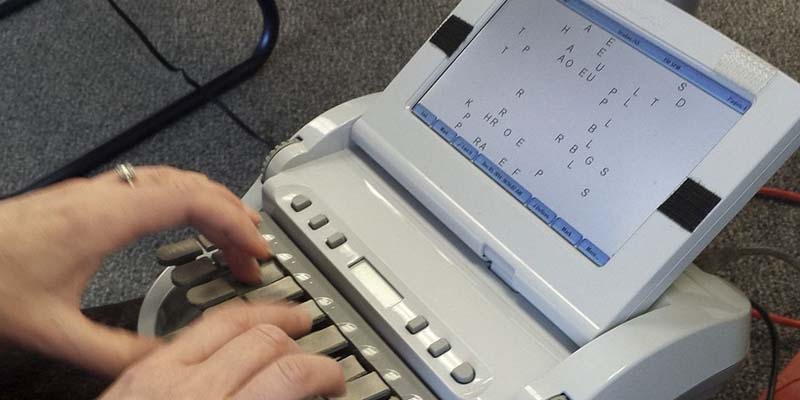
As technology breakthroughs, the landscape of court reporting is going through a substantial change, enhancing the efficiency and precision of legal paperwork. Digital devices such as real-time transcription software application make it possible for court reporters to provide prompt message result throughout procedures, enabling lawyers to access details instantaneously. Furthermore, remote coverage capabilities have arised, assisting in engagement from numerous places via protected video conferencing systems.
Expert system is likewise making strides, with algorithms capable of helping in transcription processes and ensuring greater precision in catching spoken dialogue. Furthermore, cloud storage space services provide safe and secure access to case documents, simplifying partnership in between attorneys and stenotype reporter.
These technical developments not only enhance process but also decrease the capacity for human error, ultimately contributing to a more efficient legal system. The integration of advanced modern technology right into court reporting is setting new requirements for accuracy and performance in legal documentation, reflecting the evolving demands of the career.
Ideal Practices for Teaming Up With Court Reporters
Reliable cooperation with court reporters is important for guaranteeing precise and prompt legal paperwork. Lawyers must start interaction early, providing reporters with appropriate instance details, including names, dates, and specific terminology. This foundational information allows press reporters to prepare properly, lowering the chance of errors.
Additionally, preserving open lines of interaction throughout proceedings cultivates an efficient setting. When necessary, lawful experts must motivate court press reporters to ask inquiries or look for clarification. This method not just improves precision yet also enhances the working partnership.
Reviewing records quickly is essential. Attorneys ought to provide useful feedback to reporters, highlighting any discrepancies or locations for enhancement. This collaborative method aids reporters fine-tune their guarantees and skills future work fulfills the required standards.
Valuing due dates and acknowledging the reporters' knowledge add to a favorable and efficient collaboration, eventually benefiting the whole legal process.
Recognizing Different Kinds Of Court Reporting Services
Different kinds of court coverage services deal with various legal requirements, each offering special advantages and capabilities (durham court reporting). Typical stenographic reporting is the most typical method, making use Recommended Reading of a click here for info stenographer who records talked words into created text during court procedures. This service supplies real-time records, allowing prompt access to procedures
Another option is electronic reporting, which utilizes audio recording innovation along with transcription solutions. This method can be a lot more cost-efficient and serves for recording extensive sessions where verbatim text is not right away called for.
Furthermore, some solutions specialize in virtual or remote coverage, accommodating situations where individuals can not be literally present.
Finally, CART (Communication Access Realtime Translation) solutions use real-time transcription for individuals with hearing problems, making sure ease of access throughout legal process. Each kind of court coverage service plays a critical duty in the legal procedure, improving communication and documents.
The Future of Court Reporting in the Legal Market
While advancements in technology proceed to improve numerous sectors, the future of court reporting in the legal sector is positioned for considerable makeover. durham court reporting. The raising integration of synthetic knowledge and automated transcription services is expected to improve efficiency and precision in court coverage. These devices can simplify the paperwork process, allowing legal professionals to concentrate on even more facility jobs
Remote court coverage has gained traction, specifically in action to the COVID-19 pandemic. Digital hearings and depositions are likely to become commonplace, demanding stenotype reporter to adapt to brand-new technologies and systems.
As the demand for real-time reporting and instantaneous access to records grows, stenotype reporter will require to refine their abilities in electronic literacy and information monitoring - durham court reporting. The developing landscape presents both tests and possibilities, eventually redefining the role of court press reporters within the legal market. Embracing these changes will certainly be essential for preserving significance and providing top quality service
Frequently Asked Inquiries
What Credentials Do Court Reporters Need to Exercise Expertly?
Stenotype reporter normally need a senior high school diploma, read here specialized training in court reporting, and qualification. Effectiveness in stenography or voice writing, along with strong language abilities, is necessary for exact transcription in legal setups.

Just How Much Do Court Coverage Provider Normally Expense?
Court reporting solutions commonly set you back between $100 to $300 per hour, depending upon factors such as experience, place, and complexity of the situation. Additional costs might obtain transcription and expedited solutions.
Can Court Reporters Work in Non-Legal Settings?
Yes, stenotype reporter can work in non-legal setups, such as closed captioning for television, transcription solutions for meetings, and producing subtitles for video clips. Their abilities in precise documents are valuable in various industries.
What Is the Average Turn-around Time for Records?
The ordinary turnaround time for transcripts normally varies from 24 hr to a week, relying on factors such as the length of the process, intricacy, and the court reporter's workload. Timeliness is vital in lawful setups.
Do Court Reporters Supply Providers in Numerous Languages?
Stenotype reporter can use services in multiple languages, relying on their qualifications and experience. Many are educated to record in different languages, improving access and guaranteeing accurate documentation in diverse legal process across different etymological histories.
Court press reporters serve as the crucial voice of the courtroom, capturing every talked word during legal procedures with accuracy and precision. Court press reporters need to possess outstanding listening abilities and a comprehensive understanding of lawful terminology to promote accurate reporting. Digital tools such as real-time transcription software program enable court reporters to supply immediate message output throughout proceedings, permitting lawful specialists to access details instantaneously. Different kinds of court reporting services cater to different legal demands, each offering one-of-a-kind benefits and performances. Court press reporters typically require a high college diploma, specialized training in court coverage, and certification.